How to Grow Musa nono — Rare Banana TC Plantlet Care Guide

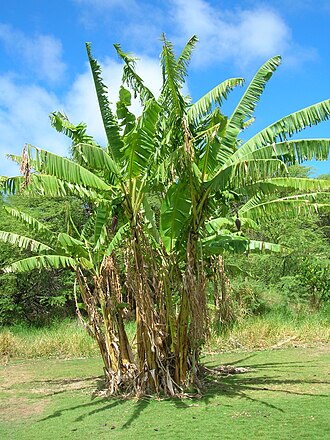
About Musa nono Musa nono is a rare dwarf banana species native to the Pacific Islands. Unlike edible commercial bananas it’s grown primarily as an ornamental and collector’s specimen — valued for its compact habit, striking foliage, and novelty as a tissue-cultured rarity. Light Full sun to bright indirect light. 20,000–50,000 lux outdoors, or bright […]
Read More

How to Grow Dionaea muscipula — Venus Fly Trap Care Guide

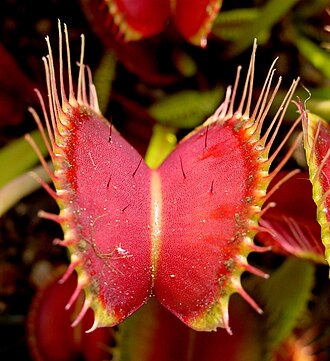
About Dionaea muscipula The Venus Fly Trap is the world’s most famous carnivorous plant — and one of the most misunderstood. In the wild it grows in the nutrient-poor, boggy savannahs of North and South Carolina. Mimicking those conditions is the key to keeping it thriving. Light Full sun — minimum 4 hours of direct […]

Read More

How to Grow Nepenthes alata — Care Guide for TC Plantlets

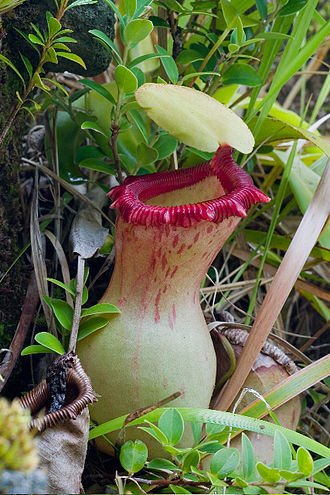
About Nepenthes alata Nepenthes alata is a variable lowland-to-intermediate Pitcher Plant endemic to the Philippines. It’s prized for its tall, elegantly elongated pitchers and forgiving nature — one of the best species for newcomers to the genus. Light Bright indirect to moderate direct light. 12,000–25,000 lux. Tolerates more sun than most Nepenthes. Grow lights work […]

Read More

How to Grow Nepenthes ventricosa — Care Guide for TC Plantlets

About Nepenthes ventricosa Nepenthes ventricosa, the Ventricose Pitcher Plant, is one of the easiest highland Nepenthes to grow. Native to the Philippines at 1,000–2,000 m elevation, it rewards beginners and experts alike with reliable pitcher production and striking red-streaked pitchers. Light Bright indirect light, 10,000–20,000 lux. East or west-facing window, or 50% shade cloth under […]

Read More